
Security Fence Installation for Sites Where the Perimeter Has to Hold
A standard fence marks a property line. A security fence is built to stop someone who is actively trying to get through it. That difference shapes every decision: the mesh, the height, the topper, how the bottom is secured, and how the gates are built.
KA Commercial Fence provides security fence installation across California for solar sites, storage and logistics yards, utility-adjacent facilities, campuses, and inventory lots. We specify by the threat your site faces, not by whatever product is easiest to sell, and every install is done by our own W-2 crews.
What Is a High Security Fence?
A high security fence is a perimeter system designed to resist climbing, cutting, and digging long enough for someone to notice and respond. It typically combines a hard-to-climb barrier, a deterrent topper, a secured bottom edge, and reinforced gates. Most high security fence systems run 8 to 12 feet tall.
What makes a fence “high security” isn’t one product. It’s how the pieces work together. A tall chain link fence with no topper and a loose bottom can be defeated in under a minute. The same height in anti-climb mesh, with razor wire on top and a buried bottom, becomes a real obstacle.
Deter, Delay, Detect: How We Plan a Security Perimeter
We plan perimeter security fencing around three jobs the fence has to do. Each site weighs them differently.
Deter
The first job is to make someone decide your site isn’t worth the trouble. Height, visible toppers, and a clean, well-maintained fence line all signal that the property is protected. Many intrusions are stopped before they start.
Delay
If someone tries anyway, the fence has to slow them down. Anti-climb mesh removes hand and foot holds. Heavier wire resists cutting. A secured bottom stops crawling under. Every minute of delay gives cameras, alarms, or security staff time to respond.
Detect
A fence works best as part of a larger system. Clear zones along the fence line keep sightlines open for cameras, and the fence layout can be planned around lighting and sensor placement. We coordinate with your security integrator so the fence supports the rest of your system instead of working against it.
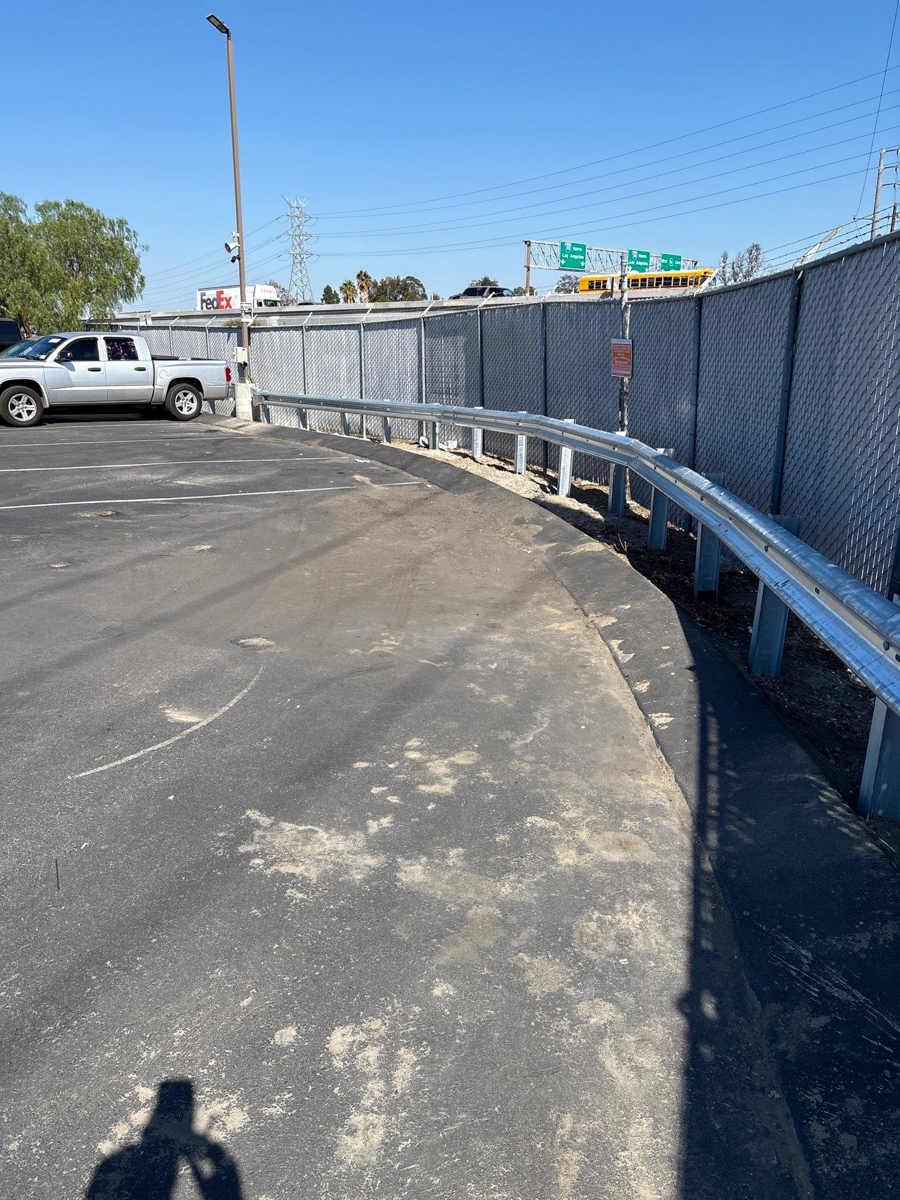

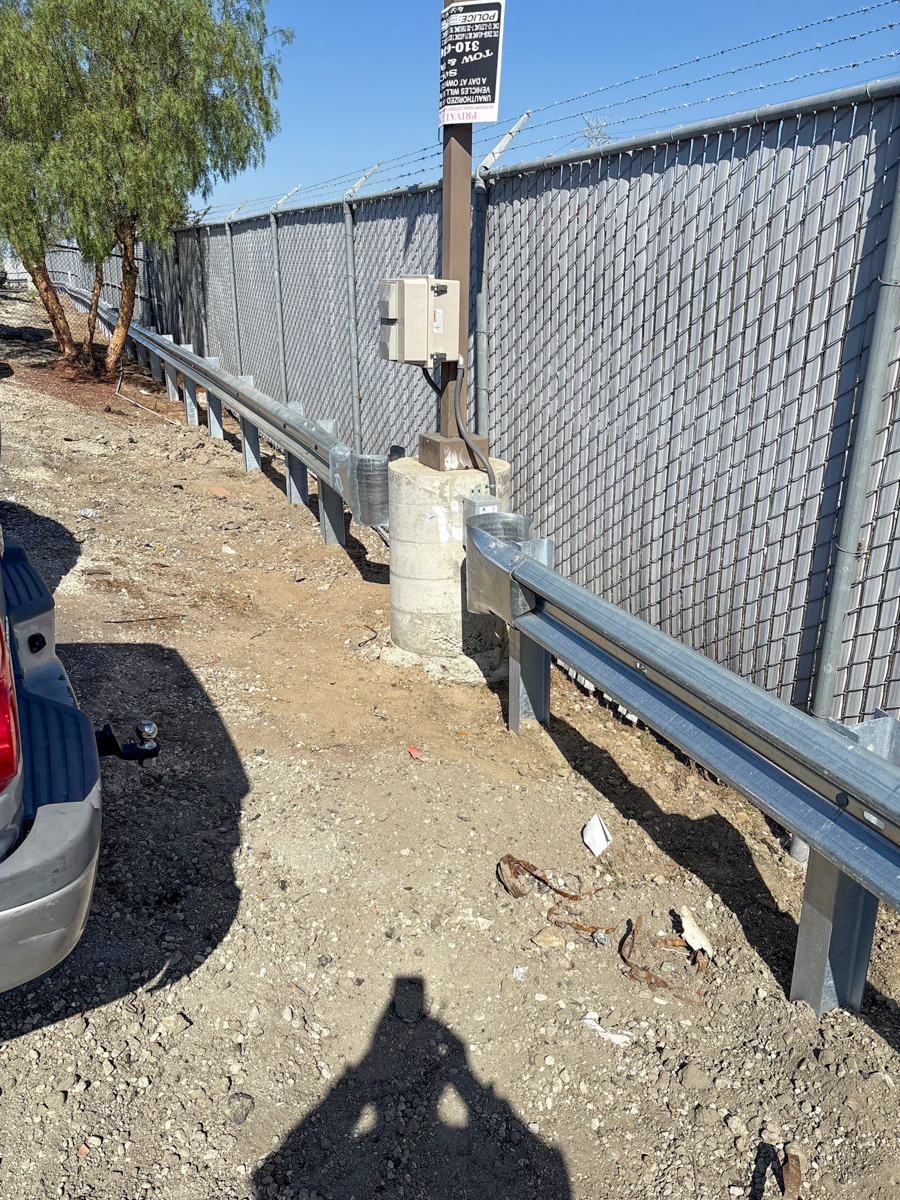
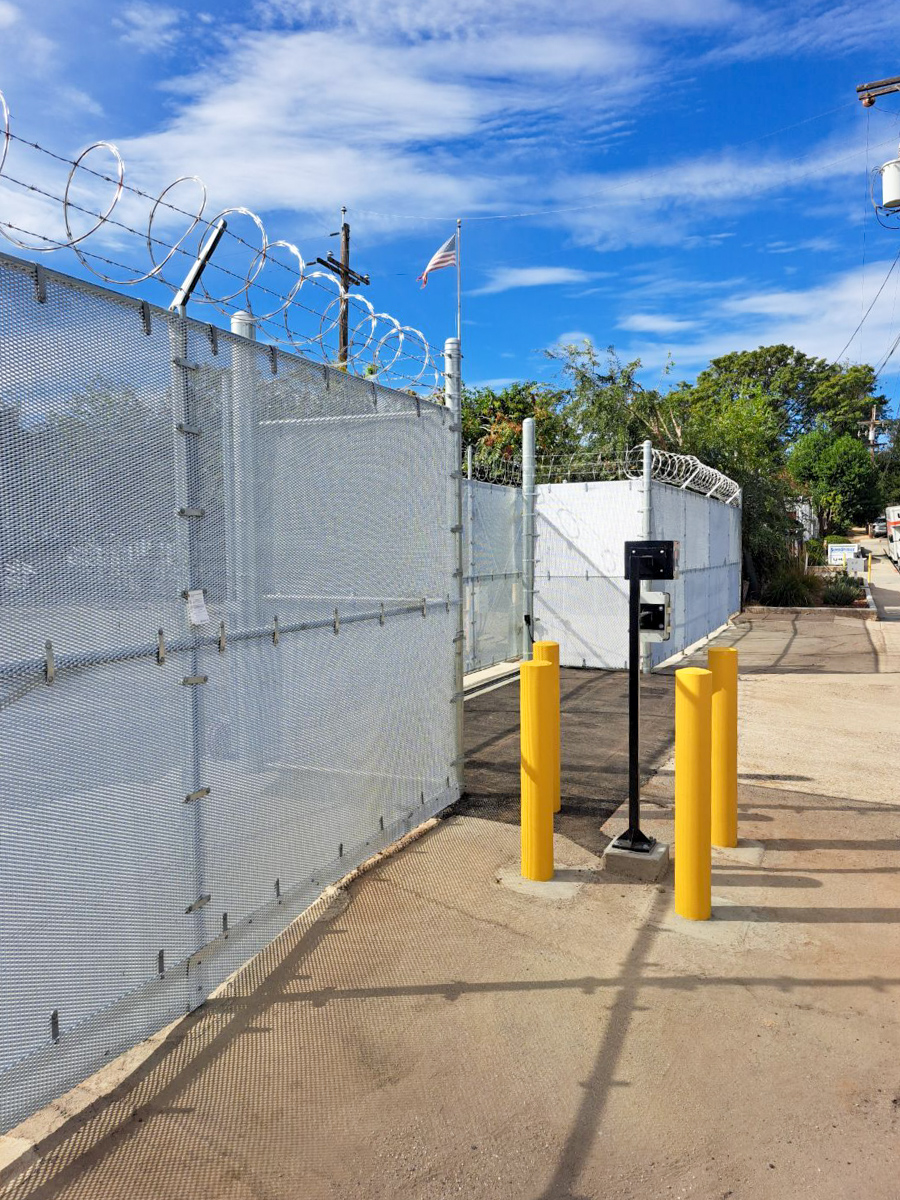
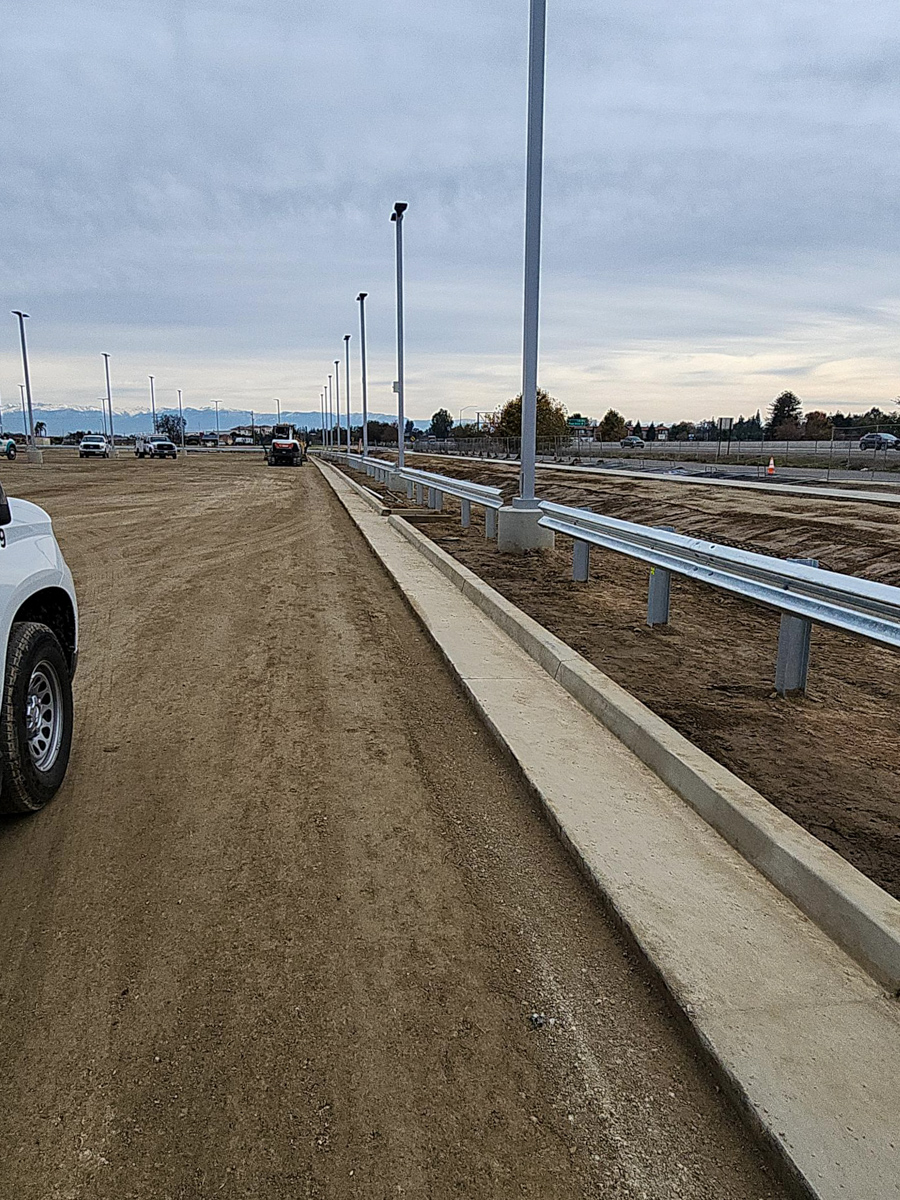
Security Fence Systems We Install
Security-Grade Chain Link
Chain link becomes a security barrier when it’s built taller and heavier, with a small mesh, a topper, and a secured bottom. Security chain link fence is an economical choice for long perimeters where some visibility through the fence is useful. For standard chain link without security features, see our commercial chain link fence page.
Anti-Climb Welded Mesh
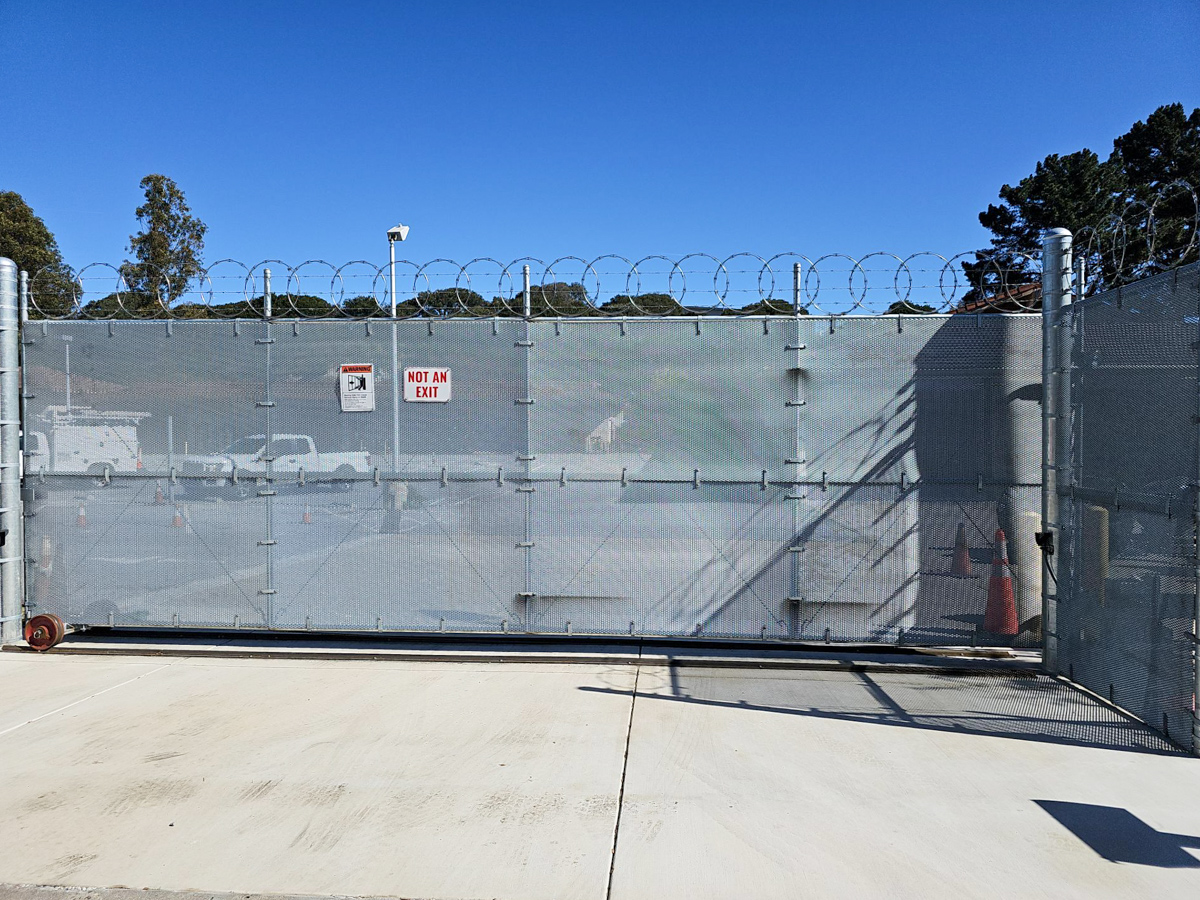
Anti-climb security fence uses welded wire panels with openings too small for fingers or shoe tips. The most common version, often called 358 mesh, has openings about 3 inches by half an inch. It’s very difficult to climb or cut with hand tools, and it still allows visibility for cameras and patrols.
Security Mesh Fencing
Wire mesh security fencing and expanded metal panels offer rigid, high-strength barriers for equipment yards, rooftop enclosures, and sensitive areas within a larger site.
Ornamental Steel Security Fence
Some sites need security without an industrial look. Heavy steel pickets with spear tops and close spacing deliver real resistance for campuses, civic buildings, and retail frontages. Learn more about our commercial iron fence and custom steel.
Toppers and Height
The top of the fence is where most climbers succeed or fail. The right topper depends on the threat, local rules, and how the site looks to the public.
- Barbed wire: three or six strands on single or V-shaped arms. It’s a common, economical deterrent for yards and utility sites.
- Razor wire: coiled or flat-wrap razor ribbon for higher-risk sites where a stronger deterrent is needed.
- Anti-climb spikes or rollers: used where barbed or razor wire isn’t allowed or isn’t the right look.
- Height: 8 feet is a common minimum for security sites, with 10 and 12 feet used for high-value or high-risk perimeters.
Local codes and some jurisdictions restrict barbed and razor wire near public walkways or in certain zones. We check the project’s requirements during plan review so the topper on your plans is one that will pass inspection.
Securing the Bottom Edge and the Gates
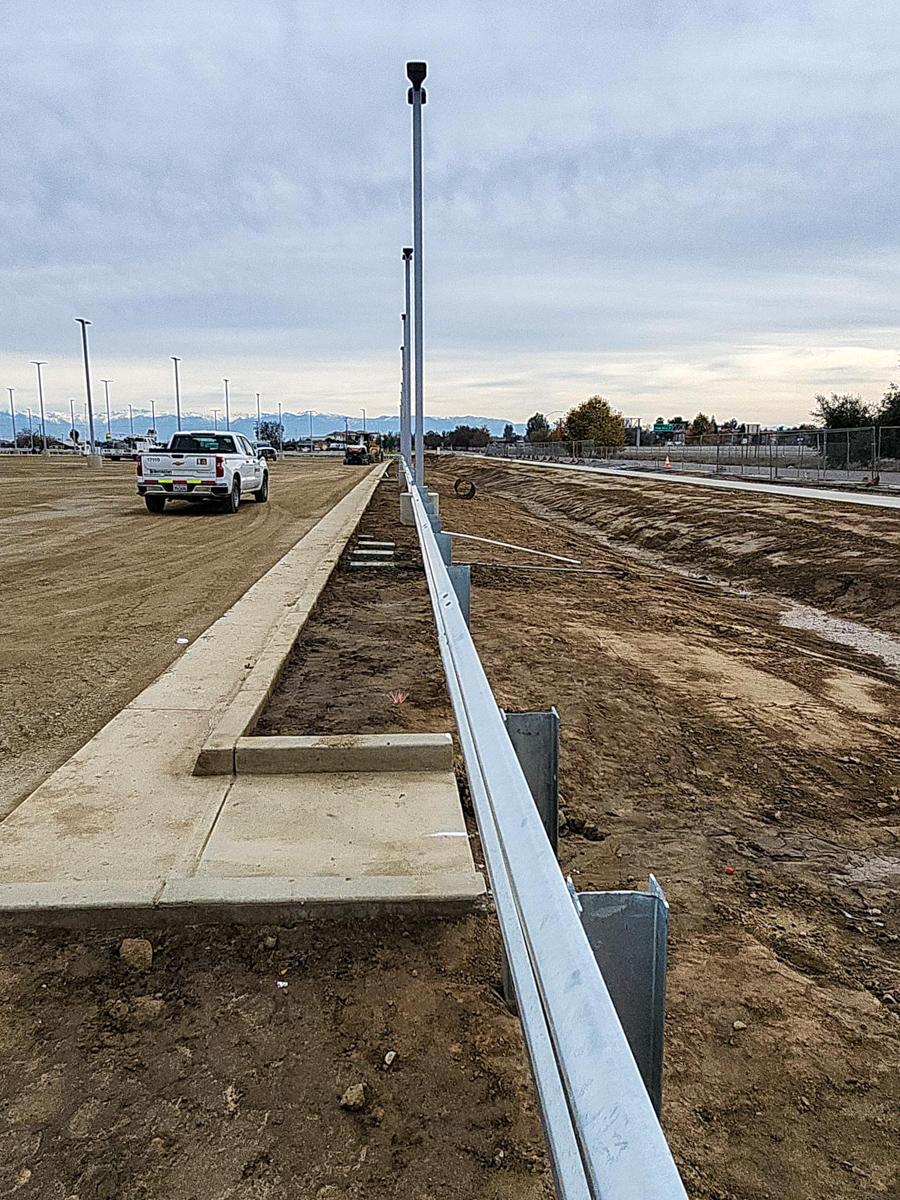
A tall fence with a gap underneath is easy to defeat. We secure the bottom edge with a tension wire, a concrete mow strip, or fabric buried below grade, depending on the soil and the risk.
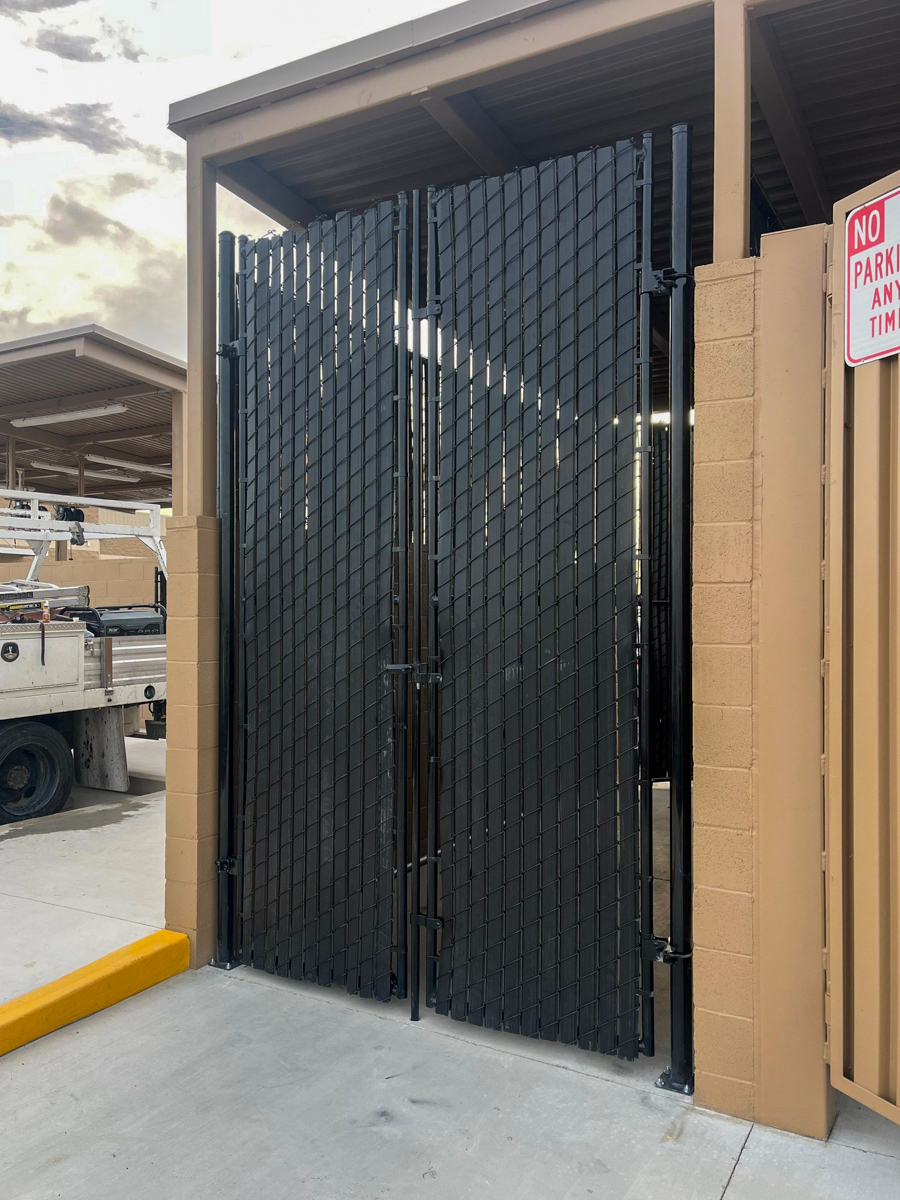
Gates are the weakest point in any perimeter. Security gates need heavier frames, tight clearances at the bottom and sides, and hardware that resists tampering. We build gates into the security plan from the start. For the gates themselves, see our page on commercial gate installation. For keypads, card readers, and automated entry, see commercial gate operators and access control.
Where vehicles are the concern, a fence alone won’t stop a truck. Sites that need vehicle protection often add posts at entries and building faces through our bollard installation service.
Need a perimeter that actually holds? Send us your plans or site address, and we’ll recommend a system that fits the threat and return a quote. Request a bid.
Security Fencing by Site Type
Solar and Energy Sites
Remote energy sites need long perimeters that hold up for years with little supervision. Security toppers, controlled vehicle gates, and durable materials are standard. See our dedicated page on solar farm fencing.
Logistics, Freight, and Storage Yards
Truck yards and storage lots hold valuable equipment and freight around the clock. We’ve built perimeter fencing for logistics operators including Saia and U.S. Postal Service facilities, where tall fence, toppers, and reliable vehicle gates keep operations secure.
Retail and Automotive Inventory
Outdoor inventory needs protection after hours. We secure sites for national retailers and dealerships, including Tractor Supply stores and CarMax lots, with fencing that protects merchandise and vehicles without making the property look closed.
Utility-Adjacent and Industrial Facilities
Equipment yards, pump stations, and industrial sites use industrial security fencing to protect hazardous or high-value equipment and to keep the public safely away.
Campuses and Public Facilities
Schools, hospitals, and government buildings need secure perimeters that still look welcoming. Ornamental steel and anti-climb mesh are both common choices.
Why Who Installs Your Security Fence Matters
On a secure site, the people building the fence see the layout, the gate locations, and the weak points. That’s a reason to care about who is on your site.
Every installer we send is a W-2 employee of our company. We don’t subcontract security fence installs, so you’re never trusting your perimeter to a crew you’ve never heard of. And once your project is on our schedule, the date holds, which matters when a site is exposed until the new fence is finished.
KA Commercial Fence is a brand of Kerb Appeal Fenceworks, a CSLB-licensed California contractor with $5 million in liability coverage. We’re prevailing-wage ready for public projects.
What We Need to Bid Your Security Fence
- Site plan or address with the full perimeter marked
- Your security goals and any known threats, such as theft, trespass, or vandalism
- Specified fence system, height, and topper, if your plans include them
- Gate locations, sizes, and access-control requirements
- Site conditions, including soil, slopes, and existing fence
- Prevailing wage status and bid due date
Security Fence FAQ
Eight feet is a common minimum for commercial security sites. High-risk perimeters often use 10 or 12 feet, especially when paired with anti-climb mesh and a topper.
Anti-climb fencing uses welded mesh with openings too small for fingers or shoes, so there’s nothing to grip. It’s much harder to climb and cut than standard chain link.
It’s allowed in many locations, but local rules vary, especially near public sidewalks and in some zoning districts. We confirm what’s allowed for your site before finalizing the design.
Often, yes. Toppers, taller extensions, bottom rails, and upgraded gates can improve an existing fence if the posts and framework are in good condition.
No. We build the physical perimeter and coordinate with your security integrator so the fence layout, clear zones, and gates support your cameras and sensors.
Yes. We plan installs to keep your site secure throughout the project, including phasing work so no section of the perimeter is left open overnight.
A standard fence marks a boundary and keeps casual foot traffic out. A security fence is built to resist someone determined to get in, using anti-climb mesh, deterrent toppers, a secured bottom, and reinforced gates working together.
Galvanized or coated security systems commonly last for decades. Gates and toppers usually need the most attention over time, so a periodic inspection of hardware, wire tension, and the bottom edge keeps the perimeter performing as designed.
Get a Security Fence Bid
If your site needs a perimeter that does more than mark a line, let’s talk about it. Send your plans or site address, tell us what you’re protecting against, and we’ll recommend a system and return a detailed quote.